Latest

Add New Latest Item
Edit Latest Item
Scotland Trip
13 March 2026
My latest trip took me to the very north of Scotland this March, travelling through Argyll & Bute, Inverness-shire, Ross & Cromarty, and all the way to Scotland’s northernmost county — Sutherland.
Edit Section
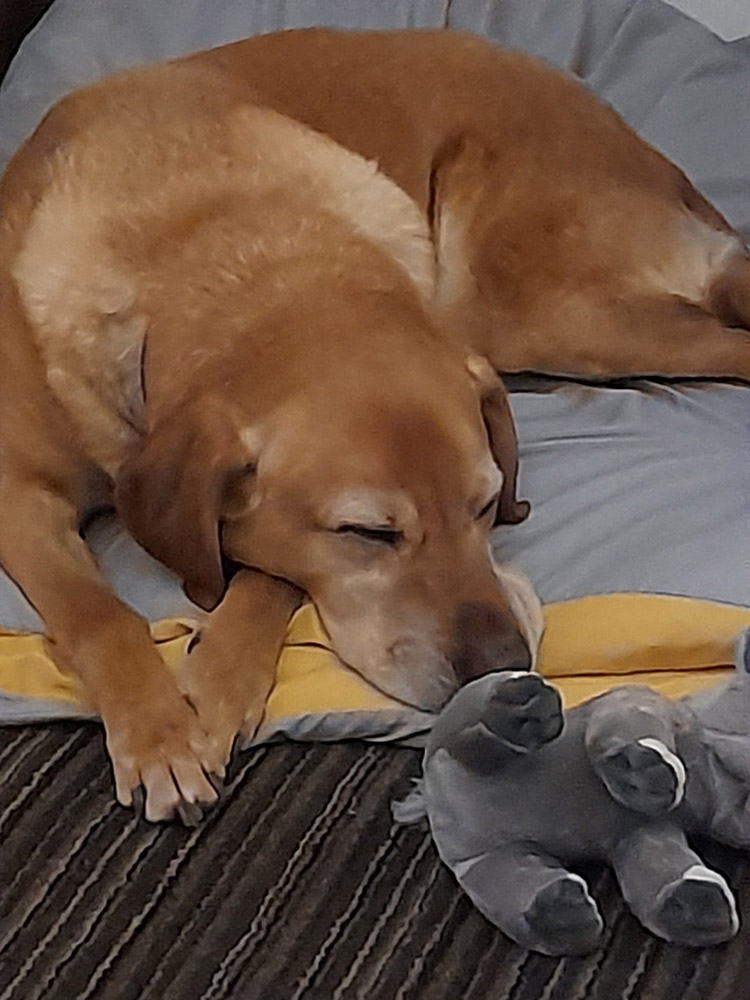
As it turned out, the conditions were just about perfect. A welcome mix of snow on the high ground and clear, bright weather. With the car packed and the camera ready, I set out for the Highlands — Eric, my Labrador, fast asleep on the back seat as the miles rolled quietly north.
Edit Section
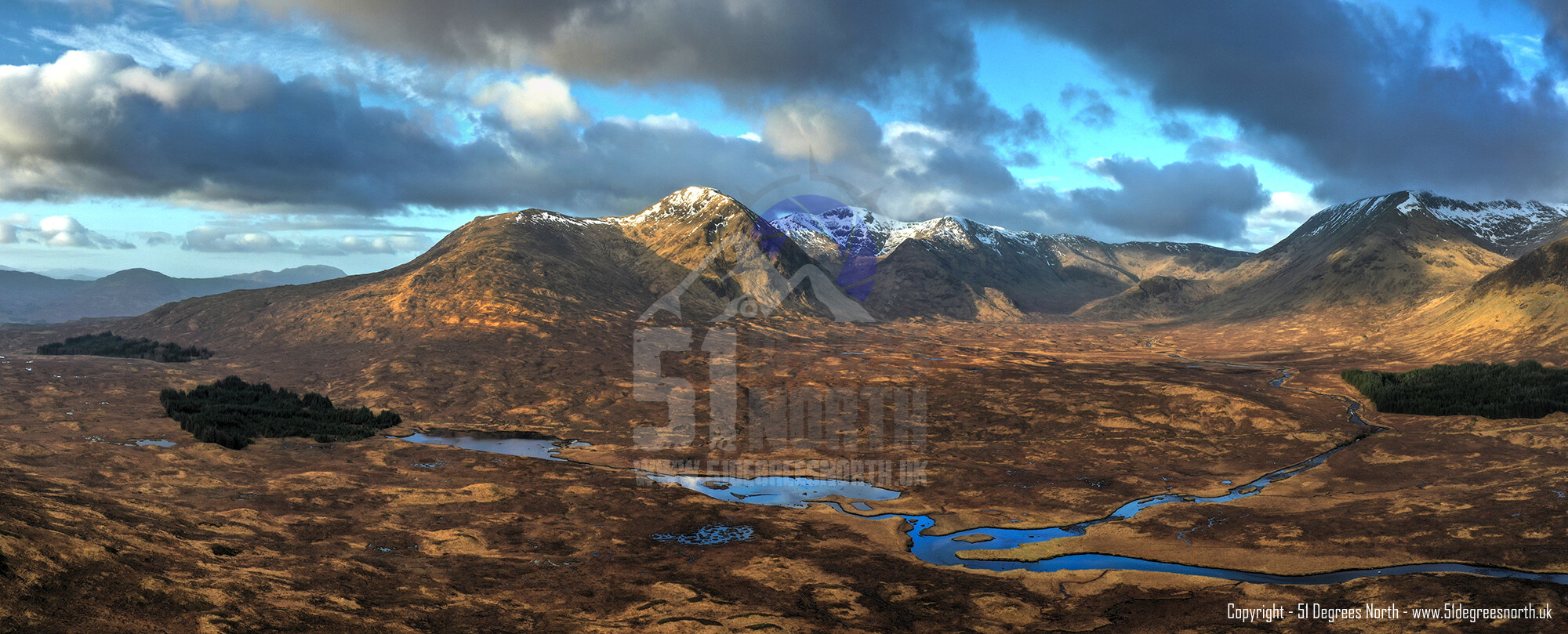
An early pre-dawn start from Arrochar set the tone for the day ahead. By the time we reached the Green Welly Stop, it felt like we were arriving at the gateway to Scotland’s truly dramatic scenery. Not long after, we found ourselves on Rannoch Moor just as the sun began to peek over the distant mountain range. The light slowly spilled across the vast landscape, revealing the quiet beauty of the moor
Edit Section
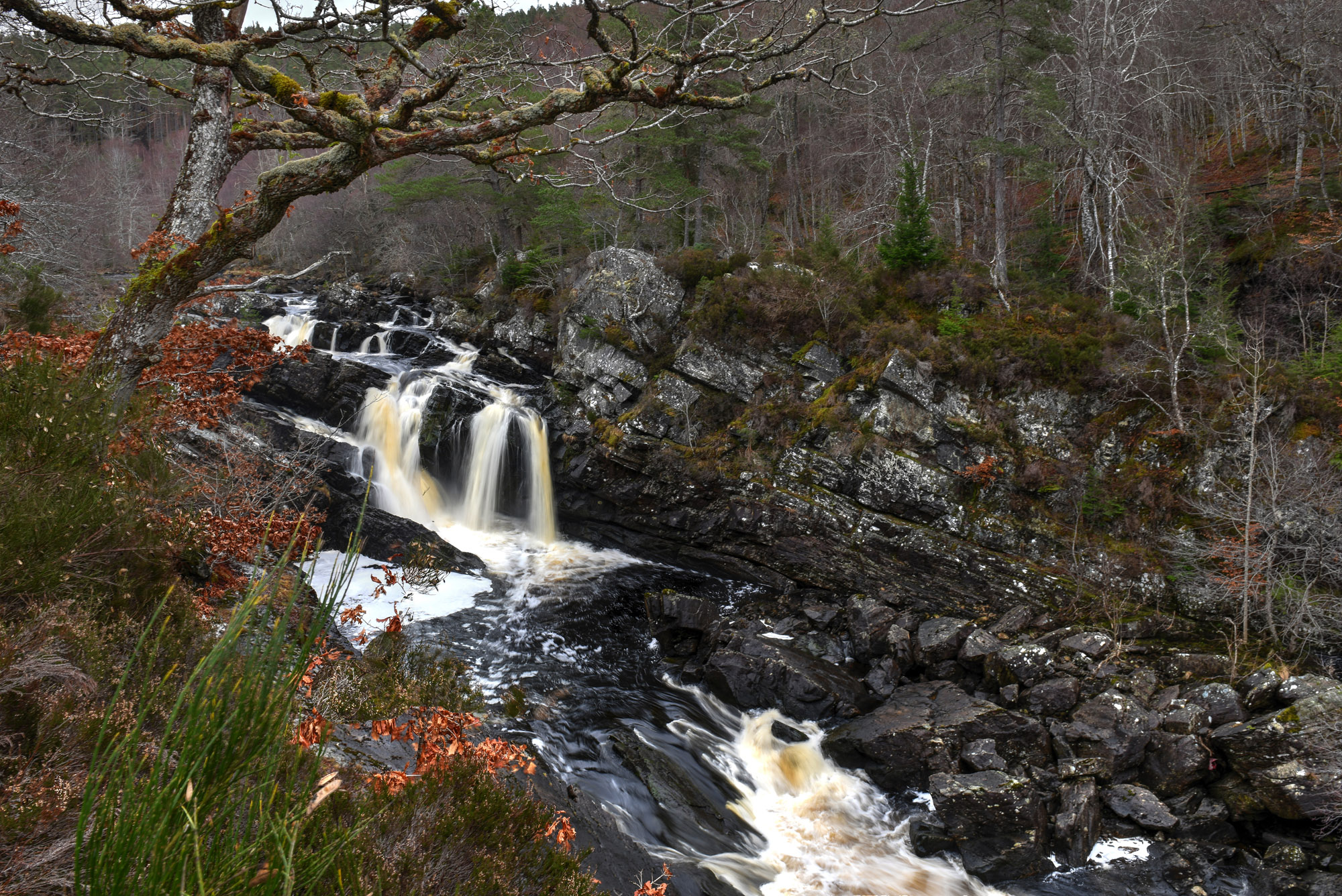
Scotland’s weather is famously unpredictable, so any self-respecting photographer needs a solid contingency plan for when the skies turn “dreich.” On such days, the focus shifts from sweeping mountain vistas to more intimate, close-up scenes. It was an incredible week of photography, with ever-changing weather providing a wealth of unique opportunities. Crisp Highland air, early mornings, and long hikes certainly take their toll—but one of the greatest joys of any trip is returning home with a memory card full of unforgettable images. Each shot tells a story of light, landscape, and the moments that made the journey truly memorable.
Edit Section
With little time to linger, we pushed on toward our main destination for the day: The Devil’s Staircase in Glen Coe. From there, the route would lead us toward Stob Beinn a’ Chrulaiste, a vantage point promising sweeping views of one of Scotland’s most iconic mountains.
Edit Section
The view across Loch Ba is always a delight. Still and reflective, it captures the surrounding peaks perfectly when the conditions are right. To find something a little different, though, you have to leave the comfort of the roadside and trudge across the boggy gorse. That said, it’s remarkably easy to pull over and walk no more than ten metres from the car and still come away with epic shots. I’ve done exactly that on many occasions.
Edit Section
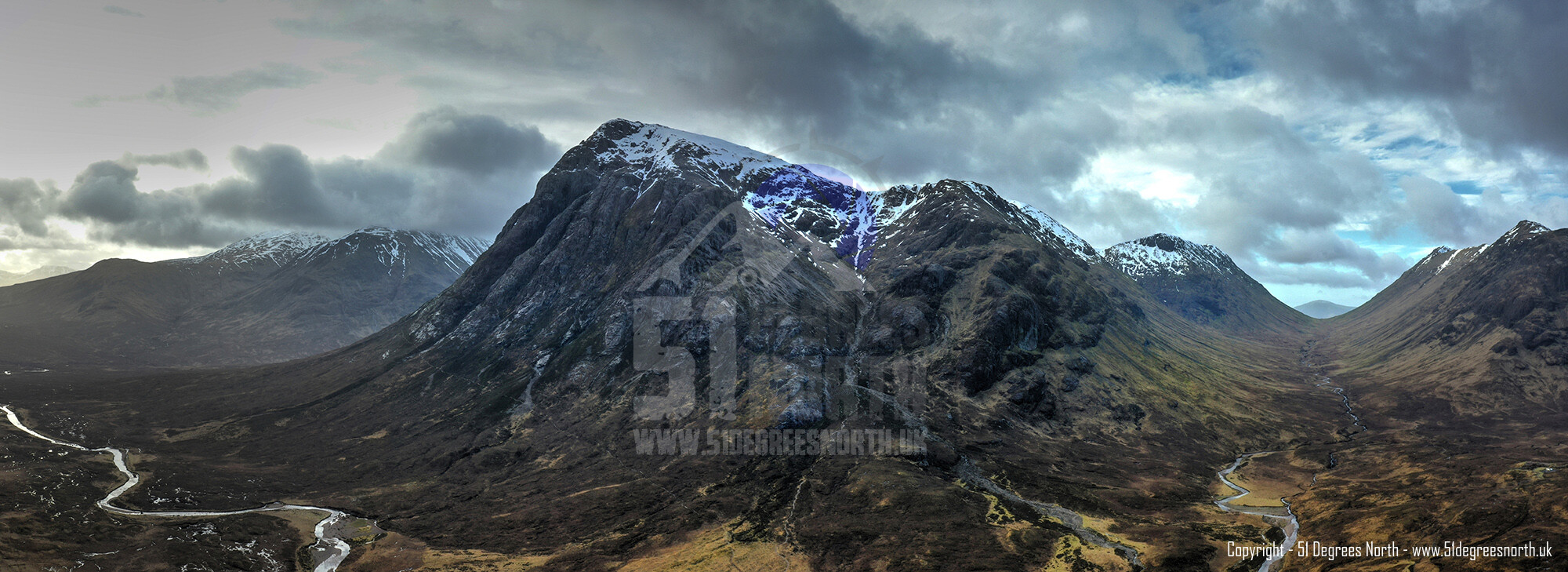
As we descended into the formidable Glen Coe, the weather began to shift rapidly—clouds rolling across the sky like a slow shutter capturing motion. And then it appeared: the famous silhouette of Buachaille Etive Mòr.
Edit Section
This is what a mountain should look like—sharp, dramatic, and impossibly grand. Its pointed summit rises with a commanding presence, massive against the shifting sky. Yet from the A82 road, it can feel oddly flat, almost two-dimensional, like a photograph lacking depth. To truly appreciate its scale, you have to step away from the roadside and lace up your walking boots.
Edit Section
The path up The Devil’s Staircase climbs steadily on a well-marked trail with a manageable gradient. As the altitude increases, the perspective changes—each step revealing more layers of the glen and surrounding peaks. By the time we reached the top, the view easily justified the effort. The weather had closed in, softening the light and wrapping the mountains in cloud. Yet the muted tones felt perfectly suited to the scene—mirroring the rugged granite, rock, and lingering snow that define this wild Scottish landscape.
Edit Section
The next day carried us further north, where the mountains gradually softened in height but never in drama. The landscape felt wilder and more remote with every mile. Our base for the next few days would be Ullapool, a quiet coastal village that looks out across the restless waters of Loch Broom. Beyond it, the road stretched deeper into the Highlands, leading us toward the strange and solitary monoliths of the Assynt range—ancient mountains rising abruptly from the land, their shapes stark and unforgettable against the northern sky.
Edit Section
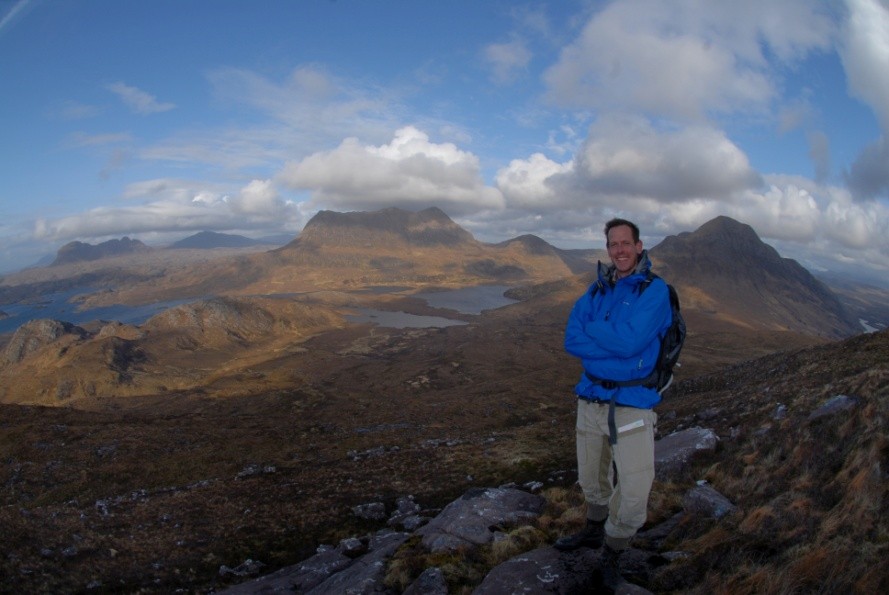
These mountains — or Munros, to use the correct Scottish term — are individually unique. Rather than forming long ranges that roll seamlessly into one another, the Assynt mountains stand apart. Each one seems to rise from the surrounding bogs and lochs entirely on its own, as if lifted straight out of the landscape.
Edit Section
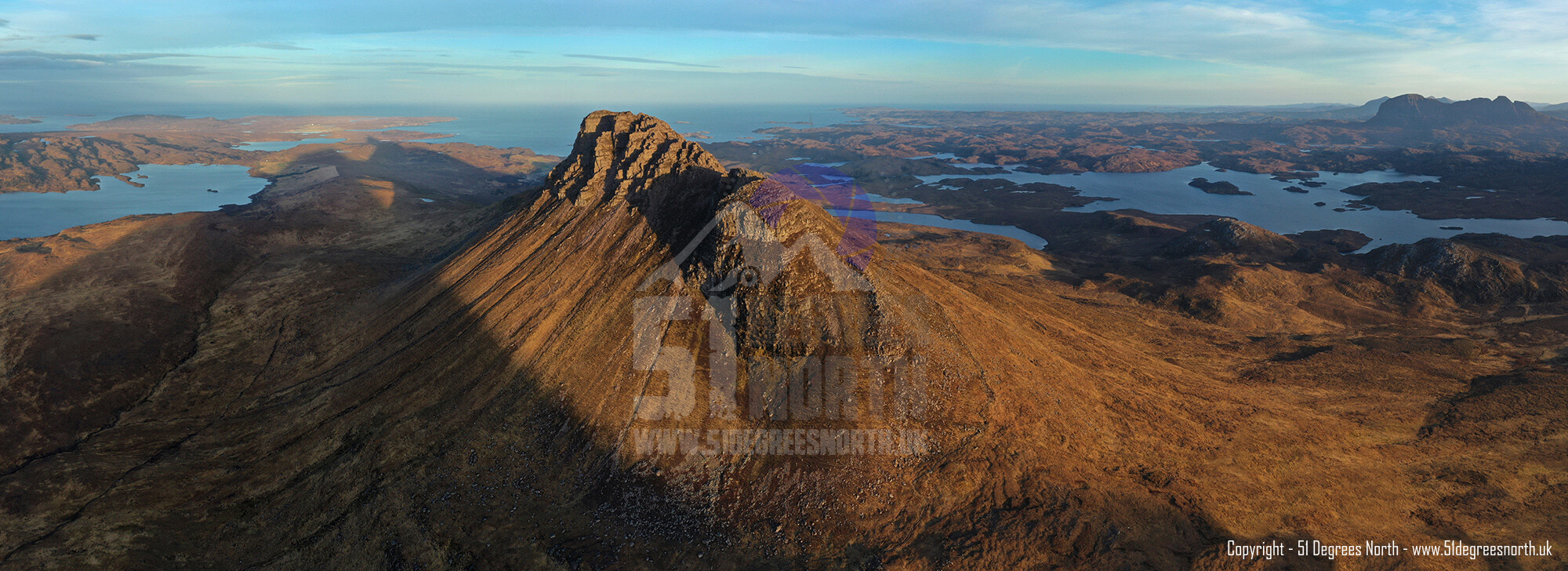
There is something striking about the way they appear: solitary peaks emerging from the wild, waterlogged terrain, their rugged shapes reflected in the dark lochs below. In Assynt, the mountains don’t blend together into a single skyline; instead, they command attention individually, rising proudly from the vast, open wilderness.
Edit Section
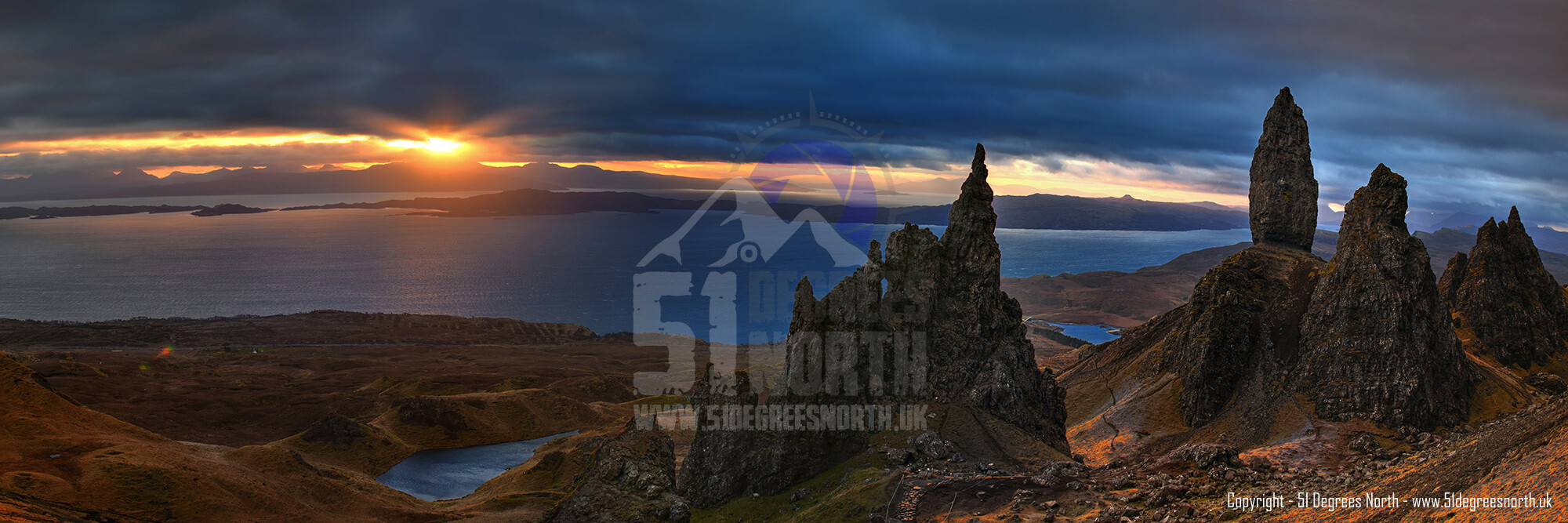
Our final couple of days took us to the Isle of Skye, a true paradise for photographers. My main goal was to capture a striking sunrise over The Old Man of Storr. While it’s a classic shot—and perhaps a cliché—it doesn’t lessen the breathtaking view across The Minch toward the Western Isles. The upward hike is invigorating, but every step is worth it to reach a vantage point that promises an epic shot. The crisp morning air, the play of light on jagged rock formations, and the sweeping panorama make the effort unforgettable.
Edit Section
Planning the journey took some careful thought. The end of winter in the Highlands can be unpredictable, and I knew I needed just the right amount of snow. Enough to dust the mountain tops and give the landscapes that dramatic photographic impact, but not so much that snow gates would close the roads and bring the journey to a halt.